Residential vs. Commercial Roofing – What’s the Difference?

When most people think about roofing, they picture the asphalt shingles on a typical home — but roofing for commercial buildings is an entirely different process. If you're a property owner or manager in Massachusetts, understanding the differences between residential and commercial roofing can help you choose the right materials, contractor, and maintenance plan for your building.
In this blog, we’ll break down how residential and commercial roofs differ in design, materials, installation, and cost — and what to expect when hiring a contractor for either.
Why It Matters to Understand the Difference
Choosing the wrong type of roofing material or contractor for your project can lead to:
- Premature failure or leaks
- Inefficient energy performance
- Code violations
- Increased maintenance costs
- Voided warranties
That’s why DGL Construction Inc specializes in both residential and commercial roofing — so you get expert solutions tailored to your specific property.
Key Differences Between Residential and Commercial Roofing
1. Roof Design and Structure
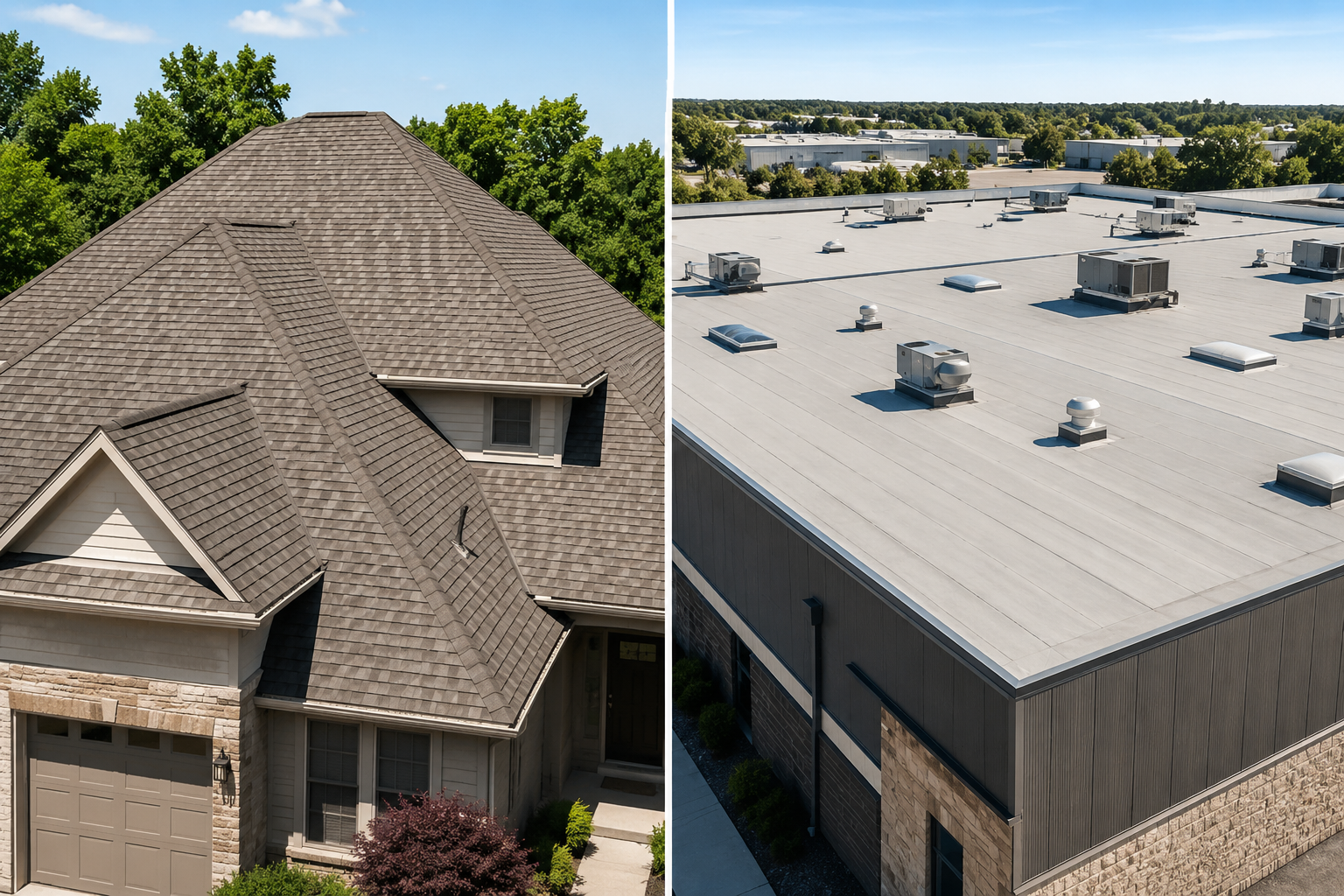
Residential Roofing:
- Usually sloped or pitched
- Designed to shed rain and snow efficiently
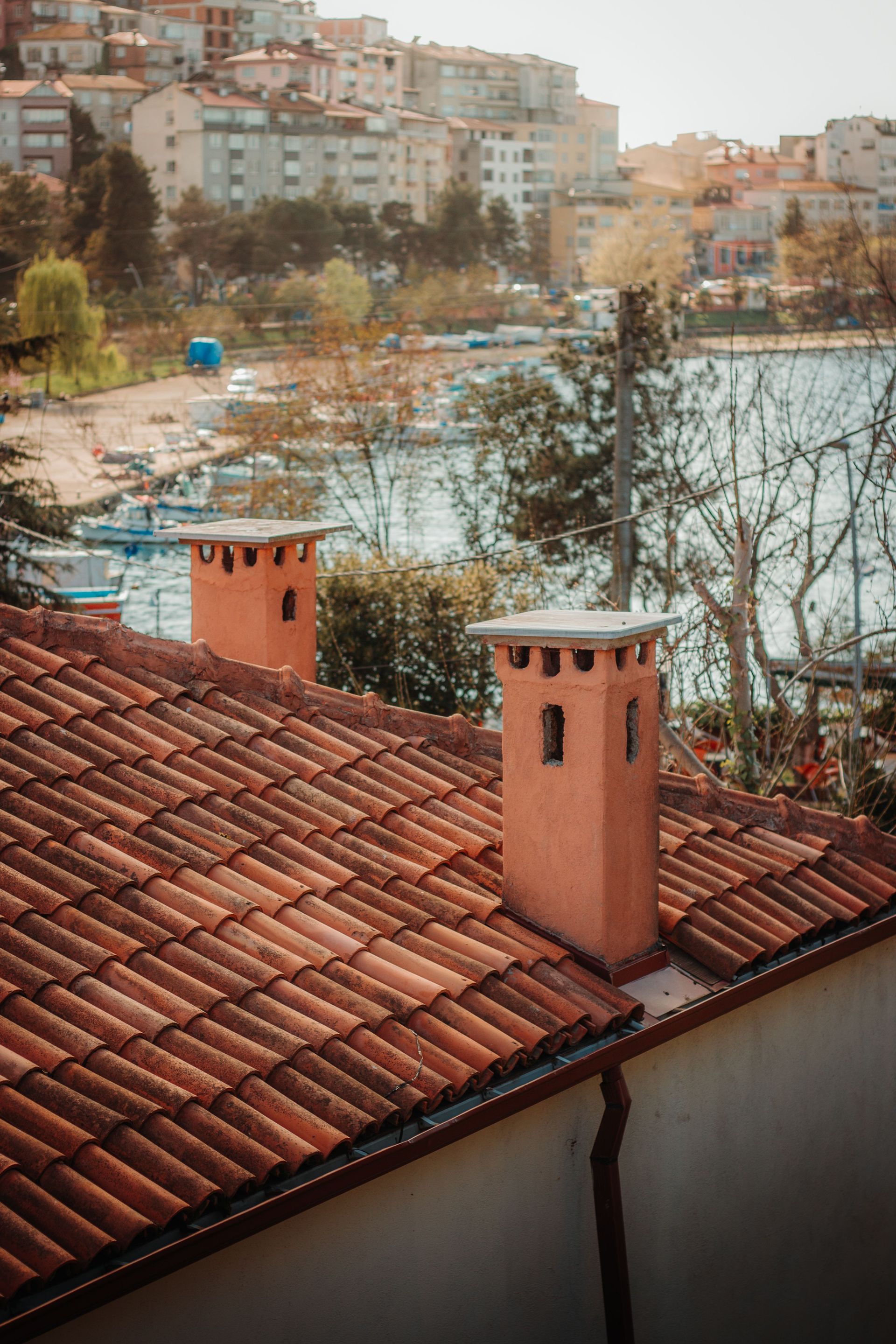
- Often includes architectural features like valleys, dormers, or chimneys
Commercial Roofing:
- Typically flat or low-slope
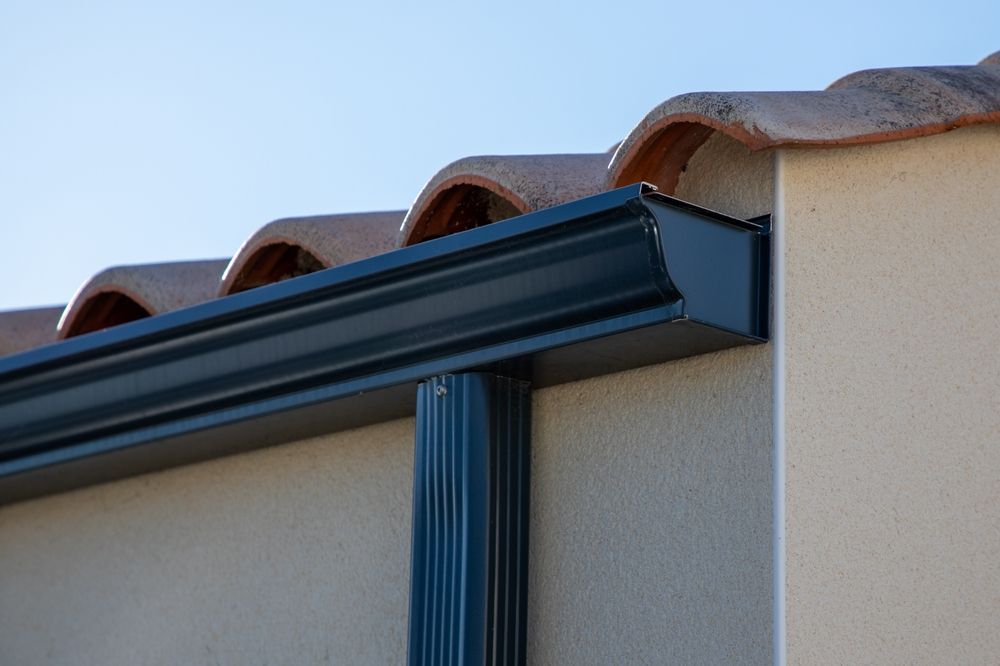
- Requires more complex drainage systems (scuppers, internal drains, etc.)
- Large surface area, sometimes housing HVAC or other equipment
Flat roofs require a completely different installation process, including insulation, waterproofing membranes, and drainage management.
2. Materials Used
Residential Roofs Commonly Use:
- Asphalt shingles
- Wood shake
- Metal panels
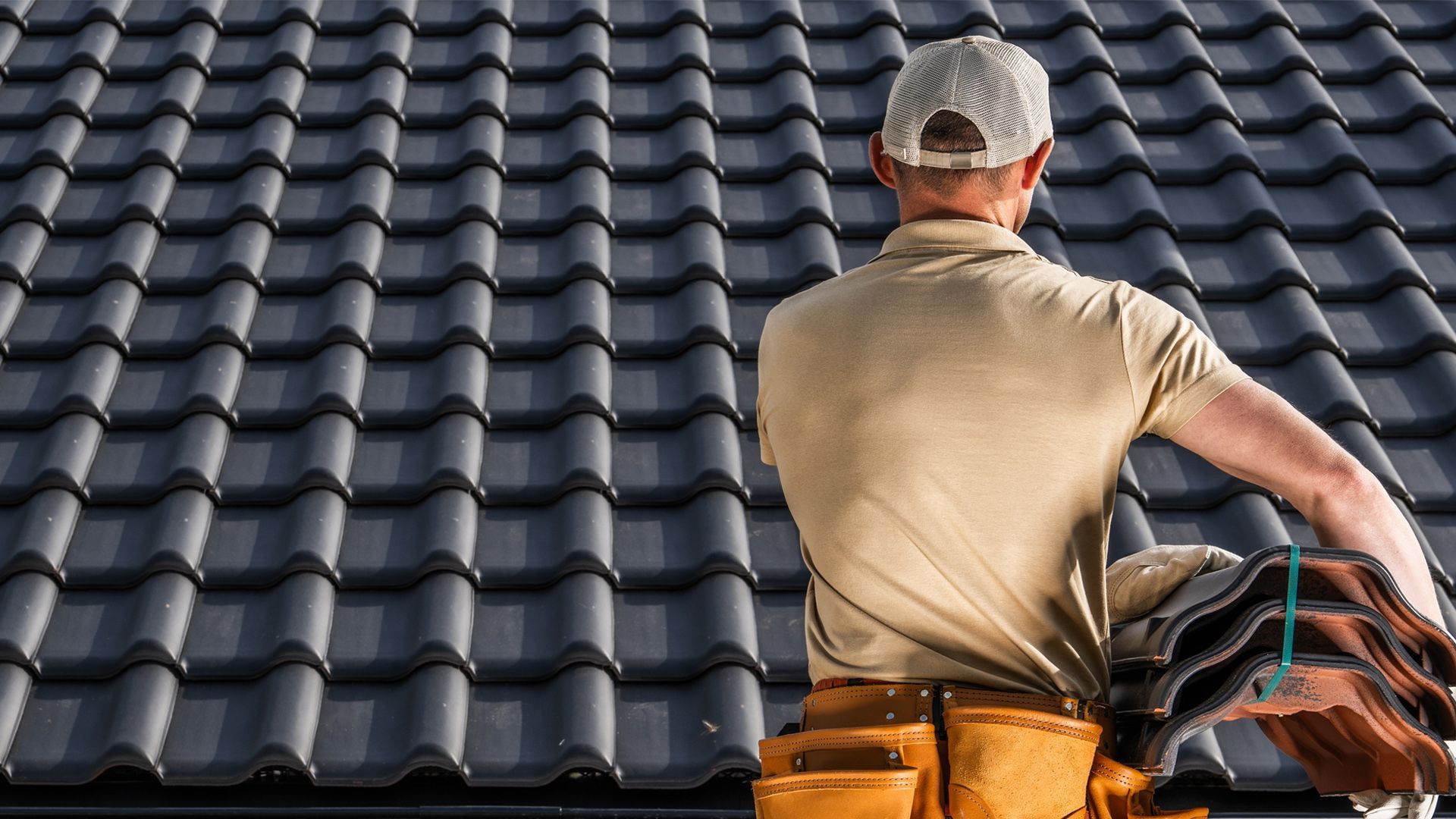
- Slate or tile (less common in New England)
- Synthetic or composite roofing
Commercial Roofs Often Use:
- EPDM (rubber membrane)
- TPO or PVC membranes
- Modified bitumen
- Built-up roofing (BUR)
- Spray-on coatings or metal panels for industrial use
Each material has its own strengths and application methods depending on roof size, use, and budget.
3. Installation Methods
Residential Installation:
- Usually completed in 1–3 days
- Less labor-intensive
- Requires fewer safety measures due to size and slope
Commercial Installation:
- Can take several days or weeks
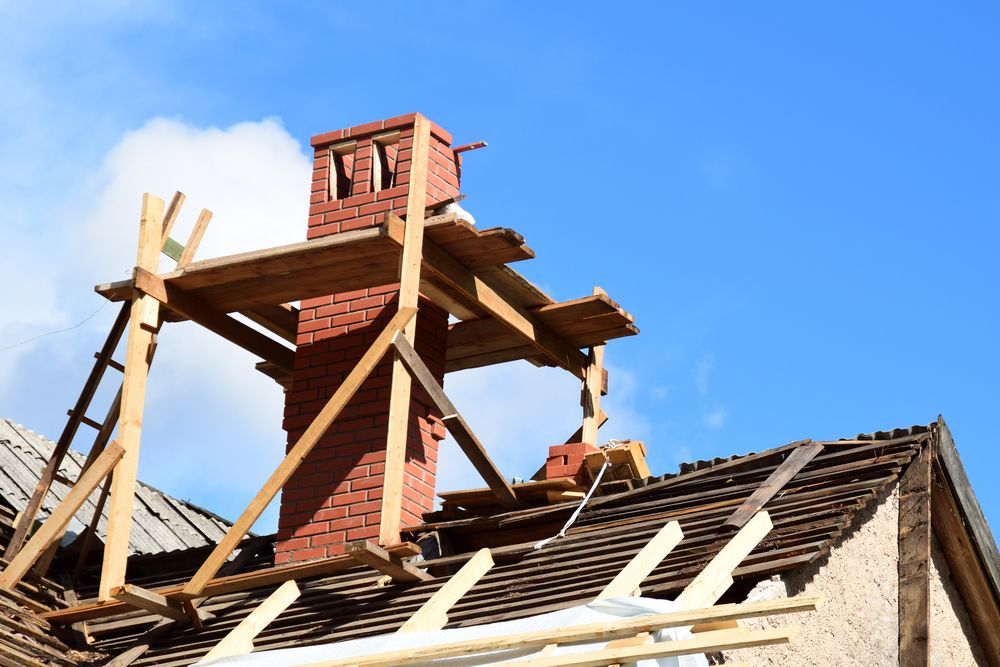
- Often requires cranes, lifts, or safety scaffolding
- May include insulation boards, vapor barriers, and specialized adhesives
It’s a more technical and layered process, which is why not every roofer handles commercial jobs.
4. Maintenance Requirements
Residential Roofing:
- Inspections once per year (especially after storms)
- Occasional shingle replacement or flashing repair
Commercial Roofing:
- More frequent inspections — often 2–3 times per year
- Professional cleaning to remove debris from flat areas
- Repairs to seams, flashing, and drainage systems
Flat commercial roofs are more prone to pooling water, membrane tears, and HVAC-related wear.
5. Cost Differences
| Type | Average Cost (Per Sq. Ft.) | Total Project Time |
|---|---|---|
| Residential | $4 – $9 | 1–3 days |
| Commercial | $7 – $14+ | 1–2+ weeks |
Commercial jobs tend to be more expensive due to material complexity, labor, equipment, and insurance requirements.
Which One Do You Need?
If you're a homeowner with a pitched roof, you're looking for a residential roofing contractor — one skilled in shingle systems, ventilation, and attic insulation.
If you own or manage a building such as:
- Retail strip malls
- Apartment complexes
- Warehouses or factories
- Office buildings
...you’ll need a commercial roofing specialist with experience in flat roof membranes, drainage systems, and larger-scale safety compliance.
DGL Construction Inc – Residential & Commercial Roofing in Massachusetts
We proudly serve both residential and commercial clients with:
- Roof installation and replacement
- Leak detection and repair
- Flat roof systems (EPDM, TPO, torch-down)
- Shingle, metal, and composite roofing
- Preventative maintenance programs
- Emergency storm repair
Whether you're fixing a home roof or managing a large property, we bring over 16 years of experience to every job.
FAQs – Residential vs. Commercial Roofing
Can the same contractor do both residential and commercial roofs?
Not always. Commercial roofing requires specialized training, tools, and safety compliance. DGL Construction Inc is qualified and experienced in both.
Which type of roofing lasts longer?
Some commercial roofing systems (like TPO or metal) can last 30–40+ years. Premium residential shingles last 20–30 years. Maintenance is key for both.
Is commercial roofing more expensive per square foot?
Yes — due to material costs, labor complexity, and safety requirements. However, commercial systems are designed for large-scale, long-term performance.
Do flat roofs leak more than sloped roofs?
Flat roofs are more prone to water pooling, which can lead to leaks if not maintained. However, proper installation and maintenance reduce this risk significantly.
How do I know which roofing system is right for my commercial building?
We offer site evaluations and recommend the best roofing system based on your building’s size, use, location, and budget.
Need Help with a Residential or Commercial Roof?
Whether you're protecting your home or your business, the roof over your head matters. At DGL Construction Inc, we have the expertise, tools, and team to handle roofing projects of all sizes and scopes across Massachusetts.
Call now to schedule your residential or commercial roofing estimate: (774) 248-3122
Or request a quote online – https://www.dglconstructioninc.com/contact
One contractor. One standard. Quality work every time.